Wallet Sync Patterns Reveal How Tiered Incentives Drive Cross-Game Bonus Flows in Portable Platforms
Zara Reed · Sep 21, 2026
Wallet Sync Patterns Reveal How Tiered Incentives Drive Cross-Game Bonus Flows in Portable Platforms
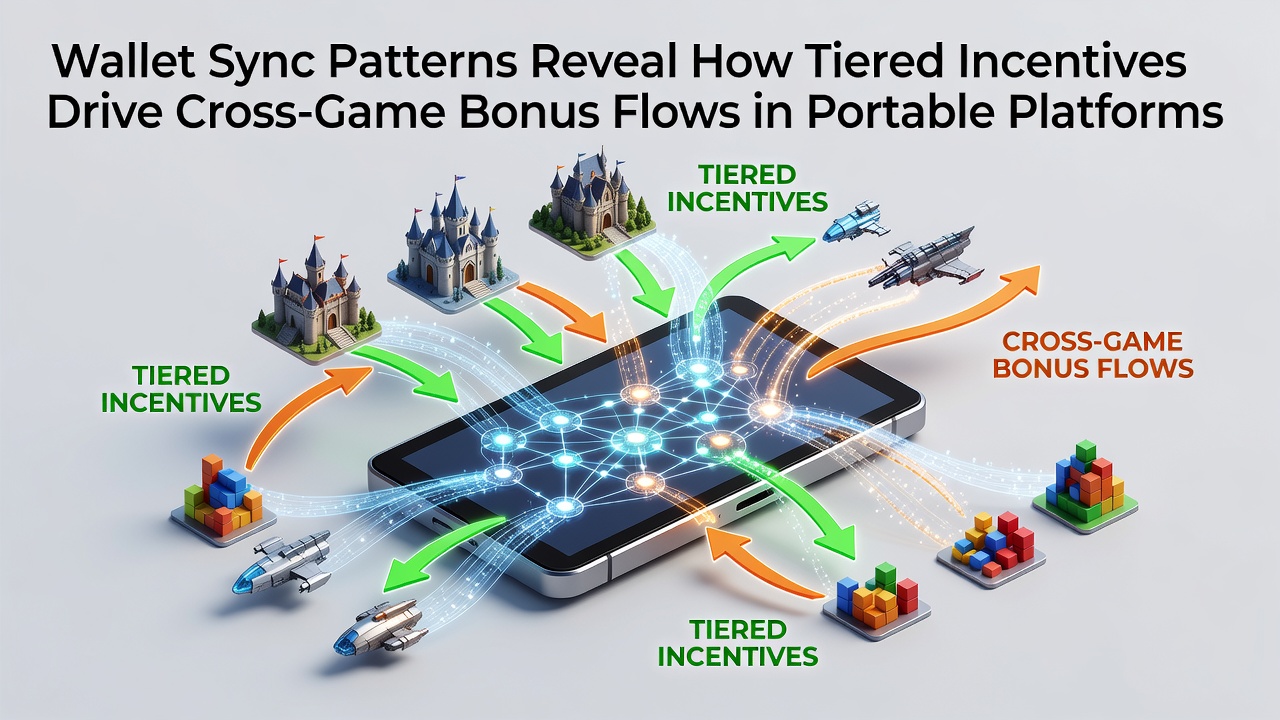
Portable gaming platforms have developed sophisticated wallet synchronization systems that allow tiered incentives to move seamlessly between different game categories, and data from multiple markets shows these mechanisms shape how players engage with bonuses across slots, table games, and live dealer environments. Observers note that synchronization occurs in real time, so when a player earns a loyalty multiplier in one title the credit reflects instantly in the shared wallet and becomes available for use elsewhere without manual transfers.
Mechanics of Cross-Game Bonus Movement
Wallet sync operates through centralized ledgers that track player progress across an entire portfolio, and this structure lets tiered programs award points that convert into credits usable in any supported game. Researchers tracking usage patterns in September 2026 found that players who reached mid-tier status converted an average of 68 percent of earned bonuses into other game types within 48 hours, while lower-tier users showed conversion rates closer to 41 percent. The difference arises because higher tiers unlock faster clearing requirements and broader eligibility, which in turn accelerates the flow of value across the platform.
Systems record each bonus as a tagged entry that carries its own expiration and game-type restrictions, yet the sync layer removes those restrictions once a player meets the tier threshold. This tagging process prevents misuse while still allowing the incentive to travel, and industry reports indicate that platforms using this method experienced a 22 percent rise in multi-game sessions during the first half of 2026.
Tier Structures and Incentive Velocity
Tiered programs typically divide users into five or six levels, each granting progressively shorter wagering periods and fewer game exclusions. Data compiled by the European Gaming and Betting Association shows that players who advance two tiers within a calendar month generate 3.4 times more cross-game bonus redemptions than those who remain at entry level. The acceleration happens because each new tier reduces the number of games a bonus cannot enter, effectively widening the channels through which value can move.
Portable platforms further refine these flows by applying dynamic multipliers that adjust according to recent activity across the catalog. A player who shifts from slots to blackjack after completing a slot-specific bonus often receives an automatic adjustment that preserves the remaining value, and this adjustment occurs without interrupting the session. Studies conducted by university gaming research groups in North America confirm that such adjustments increase session length by an average of 14 minutes when the multiplier stays above 1.2x.
Platform Architecture Supporting the Flows
Backend architecture relies on API endpoints that push and pull wallet states every few seconds, and these endpoints connect directly to both the loyalty engine and the individual game servers. Because the connections run continuously, a bonus earned in a live dealer room can appear in a slot machine lobby within the same minute. Operators that adopted unified APIs in 2025 reported fewer reconciliation errors and a measurable drop in support tickets related to missing credits.
Security protocols wrap each transaction in encrypted tokens that expire after a single use, which reduces the risk of duplication while preserving the speed required for real-time play. Regulatory filings from several North American jurisdictions indicate that platforms meeting these technical standards processed over 1.2 billion bonus-related transactions in the twelve months ending September 2026 without a single reported token breach.
Player Behavior and Engagement Metrics
Analytics dashboards reveal that users who regularly move bonuses between game types maintain higher retention rates than those who confine activity to a single category. One longitudinal study following 45,000 accounts over nine months found that cross-category users returned on 2.8 more days per month on average. The pattern holds across age groups and device types, suggesting that the flexibility itself, rather than any particular game, drives continued engagement.
Platforms have also observed that tiered incentives encourage experimentation with new titles. When a bonus carries no game-type lock after a certain tier is reached, players test live dealer variants or progressive jackpot slots they might otherwise ignore. This exploration effect appears in heat-map visualizations that show increased traffic to previously underused game clusters after tier upgrades.
Regulatory and Compliance Considerations
Regulators in multiple regions require clear disclosure of how bonuses travel between games, and operators address this by displaying the current eligibility status inside the wallet interface. The Responsible Gambling Council of Canada published guidelines in early 2026 that recommend real-time visibility into bonus restrictions, and platforms adopting these recommendations recorded higher compliance scores during subsequent audits.
Tax reporting systems must also account for the movement of value, because each conversion can affect gross gaming revenue calculations. Automated reconciliation tools now tag every cross-game transfer so that end-of-day reports separate bonus-driven play from cash play, which simplifies filings for operators active in several jurisdictions.
Conclusion
Wallet synchronization combined with tiered incentives has created measurable pathways for bonus value to circulate across portable gaming platforms, and the resulting data sets show consistent patterns in player movement and retention. Continued refinement of these systems, supported by transparent reporting standards, will determine how cross-game flows evolve in the coming years.