Layered Incentives Sustaining Extended Engagement Cycles in Portable Casino Platforms
Ben Lang · Nov 2, 2026
Layered Incentives Sustaining Extended Engagement Cycles in Portable Casino Platforms
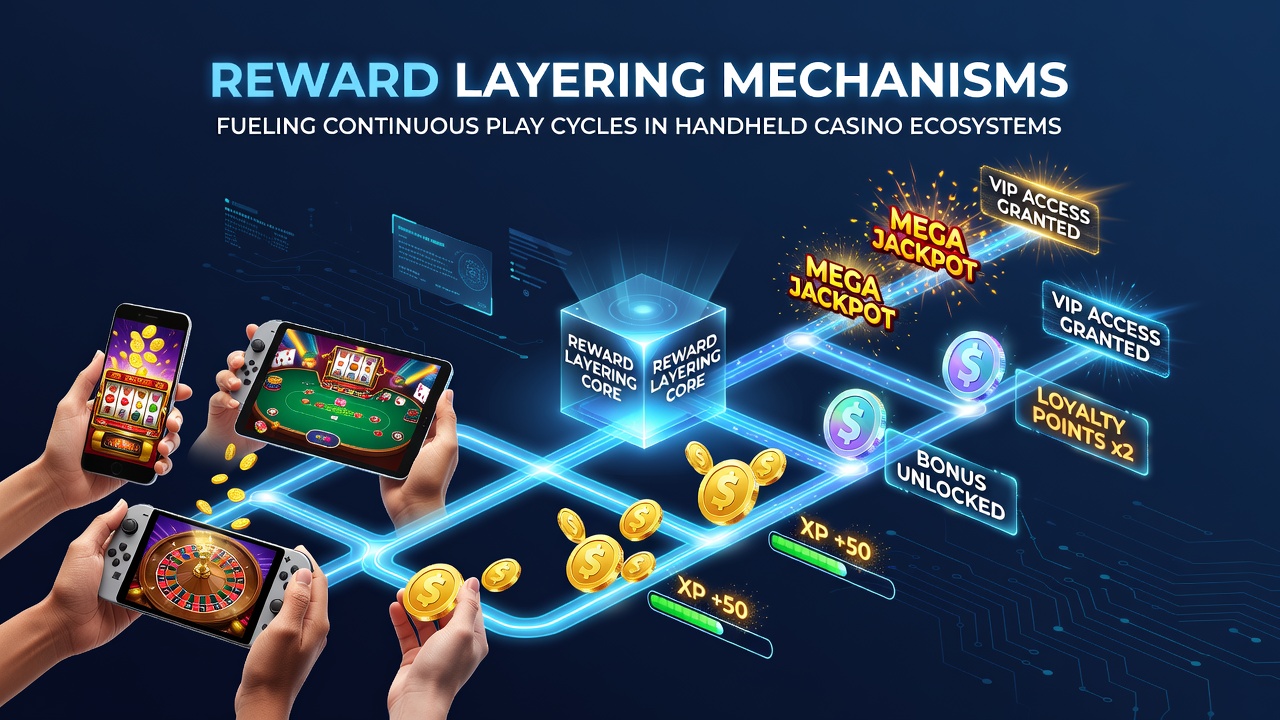
Handheld casino platforms rely on layered reward structures that combine loyalty points, progressive bonuses and tiered incentives to maintain player activity across multiple sessions and game types. These mechanisms operate by stacking benefits so that each completed round or deposit contributes to several overlapping reward streams at once. Data from industry reports indicate that such systems increase session duration because players track progress toward multiple milestones simultaneously rather than focusing on a single outcome.
Core Components of Layered Reward Systems
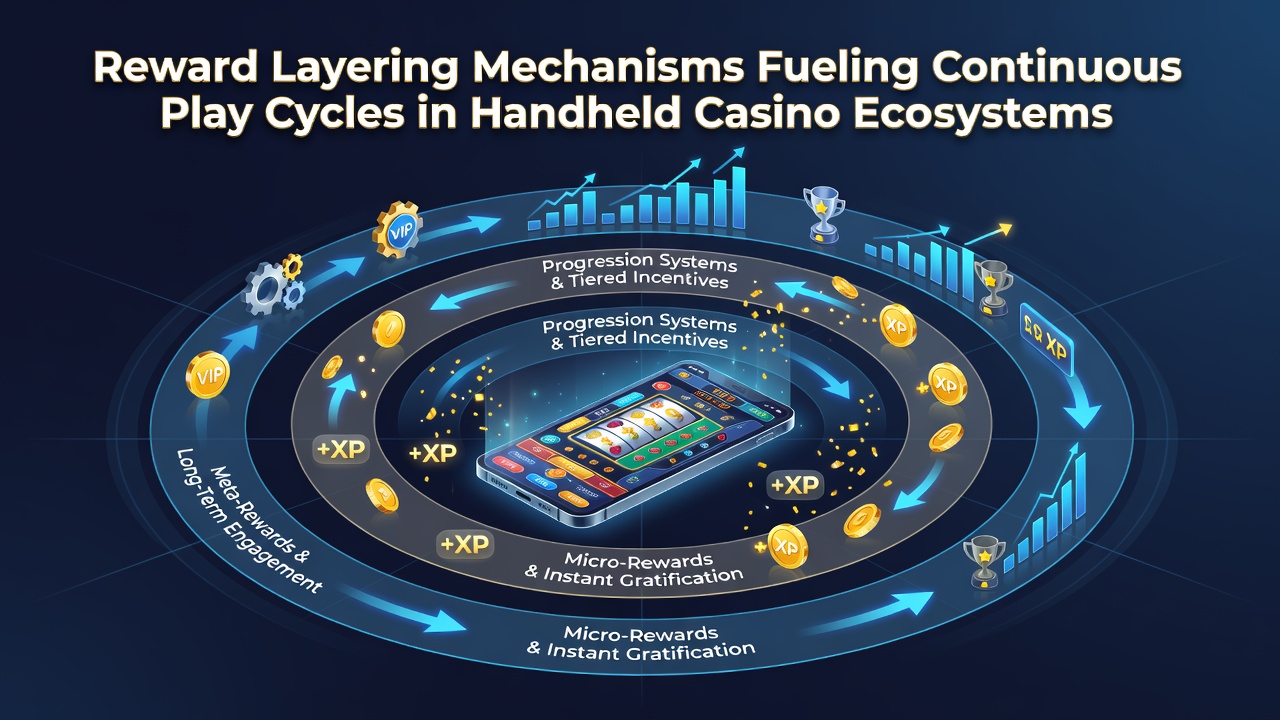
Operators structure rewards in distinct but interconnected layers. The first layer typically consists of base loyalty points awarded per wager, while the second adds time-limited multipliers or cashback percentages that activate once certain thresholds are reached. A third layer introduces VIP progression where accumulated points determine access to exclusive tables, faster withdrawals or personalized offers. These layers function together because progress in one area automatically advances standing in others, creating continuous forward momentum without requiring separate actions from the player.
Research from the Australian Gambling Research Centre shows that mobile users respond to systems where daily login streaks, deposit matches and leaderboard positions update in real time. The integration of these elements means that a single spin on a slot title can simultaneously credit loyalty points, contribute to a VIP tier and unlock a temporary multiplier for the next game round.
Technical Implementation in Mobile Ecosystems
Developers embed tracking algorithms directly into app architecture so that every transaction updates multiple databases at the same time. When a player completes a blackjack hand, the system records the wager for loyalty accrual, checks eligibility for any active promotion and adjusts the user's position on a tier ladder. This simultaneous processing reduces friction because players do not need to navigate separate menus to claim each benefit. In November 2026 platform updates across several major operators introduced unified dashboards that display all active layers in one view, allowing users to monitor progress without leaving the game screen.
Examples of Stacked Incentive Flows
One common pattern begins with a welcome package that delivers matched deposits plus free spins. Subsequent play then feeds into a points system where every 100 points convert into bonus credit, and those same points also count toward monthly VIP qualification. Observers note that this structure keeps activity high because completing the initial bonus phase immediately positions the player closer to the next reward level. Another approach layers tournament entries earned through regular play with cashback that applies automatically to net losses over a defined period.
Player Behavior Patterns Linked to Layered Rewards
Studies conducted by academic institutions track how users shift between game categories when layered incentives cover multiple titles. For instance, points earned on slots can be applied toward live dealer table requirements, while VIP status gained from table play unlocks slot-specific multipliers. This cross-category linkage encourages exploration of different game types within the same session rather than repeated play of a single title. Figures released by the American Gaming Association indicate that platforms employing at least three concurrent reward layers report higher average session counts per active account compared with single-layer programs.
Continuous play cycles emerge when reward notifications appear at regular intervals during active sessions. These alerts remind users of nearing milestones without interrupting gameplay, maintaining immersion while prompting additional wagers needed to unlock the next benefit. The design ensures that each completed cycle feeds directly into the start of another because unused points or partial progress carry forward automatically.
Conclusion
Layered reward mechanisms in handheld casino environments integrate multiple incentive types into unified progress systems that sustain engagement across extended periods. Technical implementations allow simultaneous tracking of loyalty points, promotional bonuses and VIP advancement, while behavioral data confirm that cross-category linkages and real-time updates contribute to repeated play cycles. As platforms continue to refine these structures, the core pattern of interconnected rewards remains central to maintaining activity levels within mobile ecosystems.