Cross-Device Syncing Ties Slots, Live Tables, and Loyalty Tiers Into Retention Loops
Ben Lang · Oct 19, 2026
Cross-Device Syncing Ties Slots, Live Tables, and Loyalty Tiers Into Retention Loops
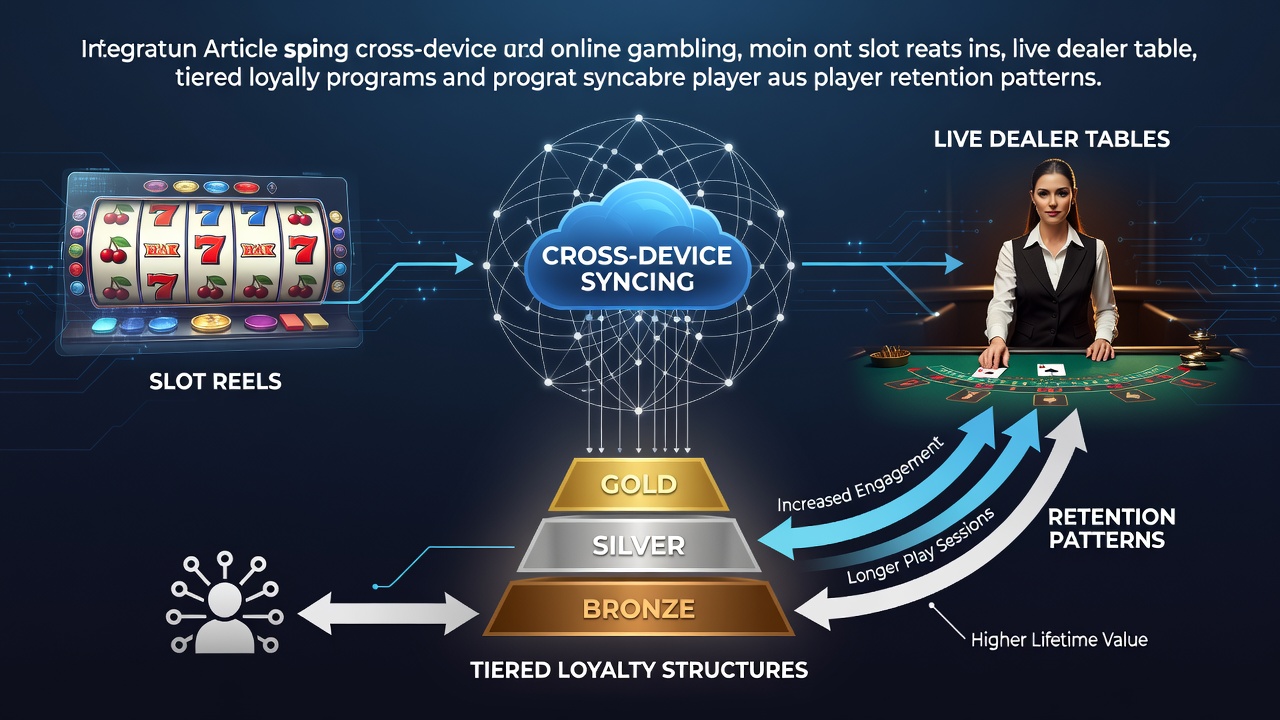
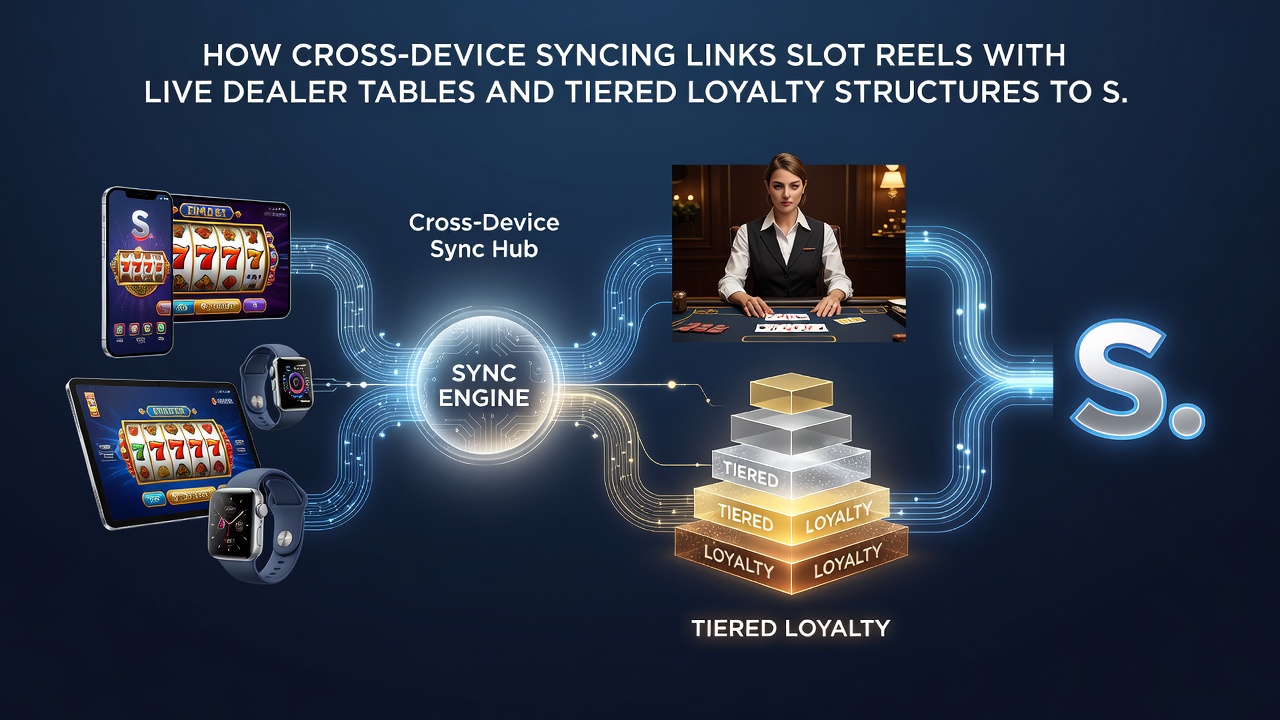
Operators now rely on unified player accounts that track activity across phones, tablets, and desktops without interruption. When someone spins reels on a mobile slot during a commute, the same balance, progress, and loyalty points appear instantly on a desktop live dealer table later that evening. This synchronization removes the friction that once forced players to restart sessions or lose momentum when switching devices.
Mechanics Behind Unified Sessions
Backend systems link slot outcomes directly to live dealer interfaces through real-time APIs, so a bonus round triggered on a slot carries its multiplier into a blackjack table if the player chooses to move there. Tiered loyalty structures update in the same flow, awarding points based on combined handle across game types rather than isolated play. Data from platform providers indicates that operators deploying these links report session extensions of 25 to 40 minutes on average during peak hours.
October 2026 saw several North American platforms roll out enhanced sync protocols ahead of seasonal traffic spikes. Those updates allowed loyalty tiers to unlock table-specific perks, such as reserved live dealer seats or accelerated point multipliers, while maintaining identical progress whether accessed via app or browser.
Loyalty Tiers as Retention Anchors
Tier advancement no longer depends on volume within one vertical. Instead, points accumulate across slots and live tables, creating a single progression path that rewards mixed play. Players who reach mid-tier status gain access to instant cashback on live dealer losses and exclusive slot tournaments that feed back into table play. Industry reports from the American Gaming Association show that programs structured this way reduce monthly churn by double-digit percentages compared with siloed reward systems.
Observers note that high-tier members often maintain consistent weekly activity because the synced structure prevents progress loss during device switches. A player grinding slots on a tablet can pause, switch to a laptop for live roulette, and continue earning toward the next tier without manual intervention or account reconciliation.
Patterns in Player Behavior
Retention data reveals distinct cycles when syncing operates smoothly. Early-week activity tends toward slots for quick point accumulation, while weekend sessions shift toward live tables where tier perks deliver higher perceived value. Those who studied these patterns at research institutions such as the University of Nevada, Reno found that cross-device continuity correlates with longer overall lifetime value, particularly among players who engage both verticals within the same 24-hour window.
Yet gaps in sync reliability still surface during high-traffic periods, prompting some operators to deploy redundant server clusters. When synchronization holds, players rarely abandon carts mid-session because their loyalty status and active bonuses travel with them. This continuity supports the gradual climb through loyalty tiers without artificial resets.
Regulatory Context Across Regions
Frameworks in markets such as Ontario and parts of Australia require transparent tracking of player funds across channels, which has accelerated adoption of unified syncing tools. A 2025 study commissioned by the Ontario Lottery and Gaming Corporation highlighted that operators with seamless cross-device loyalty integration achieved higher compliance scores on responsible gaming metrics because session history remains visible regardless of access point.
These requirements also push developers to standardize data formats so that slot reel outcomes and live dealer results feed into the same loyalty ledger. The result is a more cohesive player profile that loyalty engines can analyze for targeted tier upgrades without manual data merging.
Conclusion
Cross-device syncing has become the connective tissue between slot reels, live dealer tables, and tiered loyalty structures. When progress, balances, and rewards move fluidly across devices, retention patterns shift toward sustained engagement rather than fragmented visits. Figures from multiple regulatory and academic sources confirm that unified systems support longer sessions and steadier tier progression, shaping how players allocate time across game types throughout 2026 and beyond.